
- All Posts
- Cases
- Pet Health
- VSA News

GRACE KAEMPERBVScV student INTRODUCTION Hemipelvectomy is a surgical procedure involving removal of the hemipelvis and corresponding hindlimb. It can be...
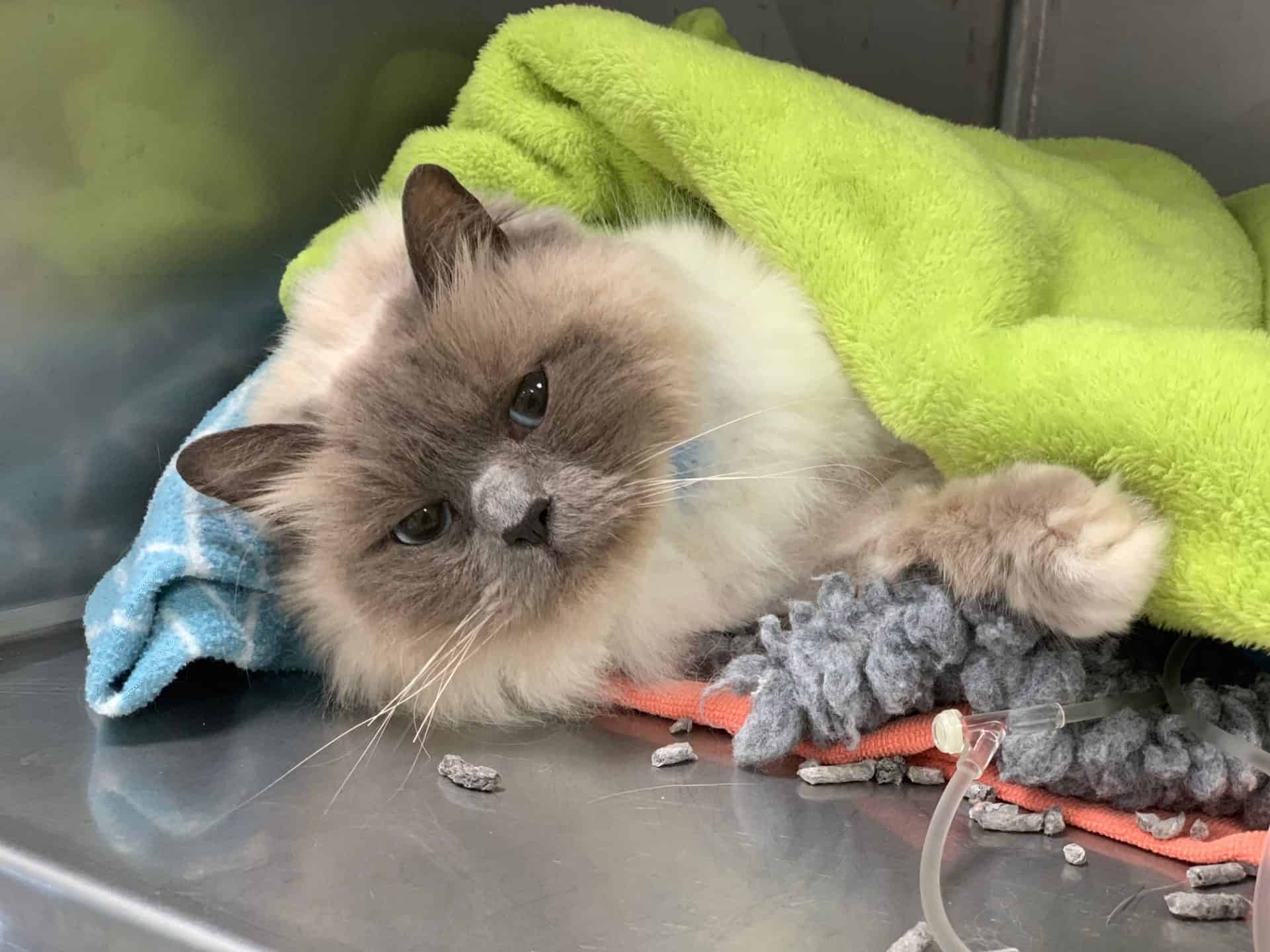
When Maggie’s mum noticed she wasn’t eating and slept in longer than usual one Sunday morning, she knew something was...

The most common cause of front leg lameness in the dog is developmental problems of the elbow joint. This disease...
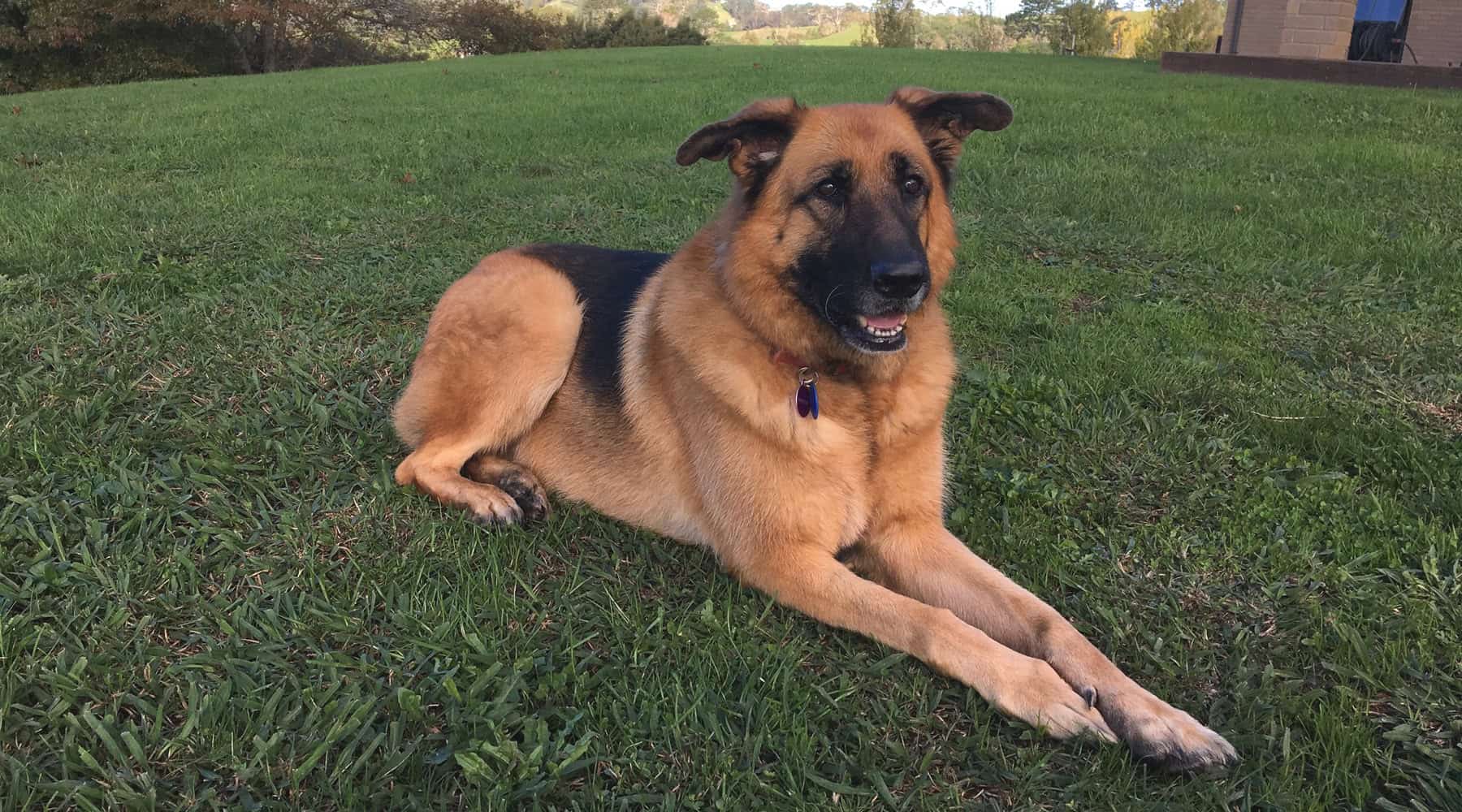
Pebbles was an active four-year-old German Shepard with a passion for chasing seagulls on the beach. Even though the seagulls...

Lucky, a feisty little white female Maltese, had a pretty bad day on Thursday the 9th of June. She was...
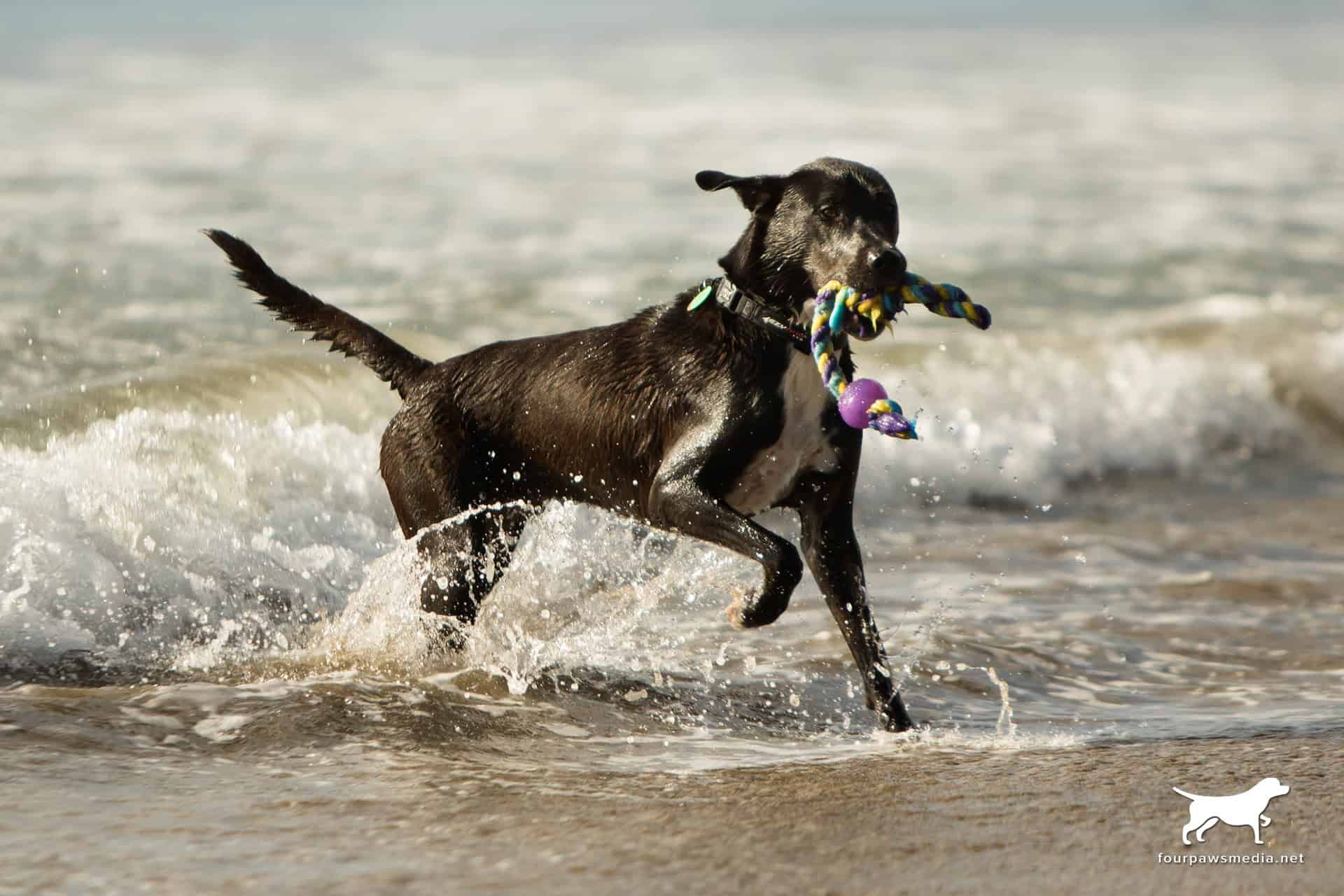
Toby is a 5-year old male Labrador mix. He loves all the typical Labradorian things in life: running on the...

Many people are often surprised to hear that we see animals with brain tumours. I think this is probably because...

In general, patients who have in hospital with fixed, stressful situations have a continuous prognosis. The mean date of life...

Dedicated Neurology Department Available at VSA
VSA offers a dedicated neurology service, led by Dr Sam Khan, BVetMed, PhD, MRCVS. Sam graduated from the Royal Veterinary College in the United Kingdom and completed his internship, PhD, and neurology residency at the University of Cambridge. His research background includes spinal cord injury, intervertebral disc disease, and immune mediated neurological disorders. Neurological conditions can be complex and difficult to diagnose, and assessment by a neurologist can make a significant difference to outcomes. Neurological conditions can present with a wide range of clinical signs including pain, weakness, seizures, altered behaviors and movement abnormalities and the close integration of this service across our specialist departments enables us to support the most complex neurological cases. I strongly believe in patient-led, individualised care. Every patient and family is different, so I enjoy working with owners to understand what matters most to them and making decisions together about the best approach for their pet. I’m proud to be part of Veterinary Specialists Aotearoa and really value working alongside such a knowledgeable, supportive and compassionate team who always strive for the best outcome for our patients. Dr Sam Khan Advanced Electrodiagnostics VSA has a new electrodiagnostic system enabling faster more accurate assessment of neuromuscular conditions. This advanced technology supports nerve conduction studies, electromyography (EMG), and evoked potential testing, providing our specialists with valuable diagnostic information to assess nerve and muscle function. This enhanced capability allows VSA to deliver a more comprehensive and efficient diagnostic service for patients with suspected or confirmed neuromuscular disease. Case study – Freddie Freddie presented to our emergency team following a number of collapse-like episodes which were precipitated by excitement. He was subsequently referred to our Neurology Department, where he was assessed by our neurologist, Dr Sam Khan. Following a thorough neurological examination and careful observation of Freddie’s episodes, Dr Khan was able to recognise a pattern consistent with narcolepsy. Narcolepsy is a sleep disorder that can cause muscle weakness or collapse, often triggered by strong emotions such as excitement. Although it can look very alarming, the episodes are usually brief, and patients quickly return to normal. A comprehensive range of investigations including bloods, liver function tests, infectious disease tests, CT and spinal tap was undertaken to exclude an underlying cause of Freddie’s episodes. All of Freddie’s results were within normal limits, helping to rule out a number of potential underlying causes. Freddie was subsequently started on imipramine. Since beginning the treatment, Freddie has since done very well, allowing him to get back to enjoying life. Freddie’s case highlights the importance of careful observation and thorough investigation when presented with unusual collapse-like episodes and demonstrates how recognising the less typical signs of neurological disorders can help lead to an accurate diagnosis and appropriate treatment. Getting a referral To access our neurology service, contact your local vet, who can refer you to VSA. For more information, visit the neurology services page or contact the team on 09 320 5645. Read more news Click Here Read more cases Click Here Our services Find out more
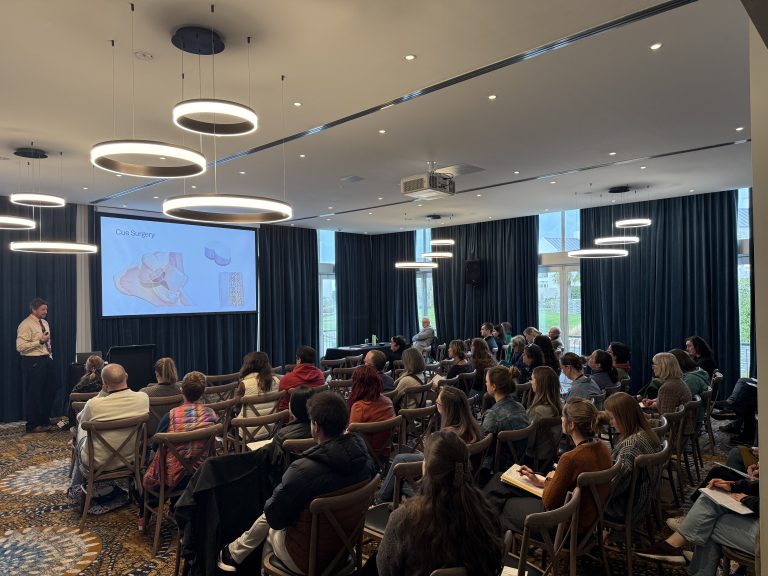
Te Tihi 2026: Over 300 Vets and Nurses Welcomed To VSA’s Annual CPD Conference
More than 300 veterinarians, veterinary nurses and technicians attended Veterinary Specialists Aotearoa’s (VSA) annual Te Tihi continuing education conference this year. Held across Auckland and Christchurch, Te Tihi 2026 brought together veterinary professionals from around New Zealand for a full day of continuing education, networking, and discussion on the latest developments in clinical practice. The conference was delivered across two learning streams. Kotahitanga, reflecting unity and collective learning, focused on bringing professionals together through shared knowledge and discussion. Manaakitanga, centred on care, respect and support for others, featured sessions aimed at enhancing patient care and professional wellbeing. Auckland delegates heard from Dr Mitchell Imoda on emergency fracture management, Dr Sam Khan, VSA’s neurologist, on all things twitchy and shakey, Sarah Cruickshank on shockwave therapy, Dr Isobel MacEwan on abdominal ultrasound for acute vomiting, and Dr Tommy Fluen, whose session on diagnostic testing and screening proved particularly popular with attendees. The program also included presentations on diabetes management, critical care nutrition, perioperative antibiotics and the role of artificial intelligence in veterinary practice. The Christchurch program addressed a range of clinical and professional subjects, including arthritis management, brachycephalic obstructive airway syndrome (BOAS), laryngeal paralysis, seizure management, anaesthetic recovery, handling emergency cases with confidence, physiotherapy for neurological patients, and the human factors influencing team performance. Te Tihi has become a key event on the veterinary professional development calendar, providing practitioners and nurses with access to education while creating opportunities to connect with colleagues from across the sector. Beyond Te Tihi, VSA continues to support veterinary professionals through a year-round program of continuing professional development opportunities. These include monthly webinars, as well as access to educational resources through the VSA Learning Hub, available via the VSA website. Together, these initiatives help veterinarians and veterinary nurses stay connected with the latest advances in veterinary medicine and patient care. The 2026 conference was supported by ClinicWise, GapOnly, Hill’s Pet Nutrition, IDEXX, Kahuvet, Mölnlycke, Petcover, ProVet, Southern Cross Pet Insurance, Speirs Finance Healthcare, and Zoetis. Sign up to the learning hub for year round CPD We are committed to delivering high-quality continuing professional development (CPD) opportunities for veterinarians and veterinary nurses across our community. We support ongoing learning through a diverse range of events, including annual conferences, regular webinars, and in-clinic education sessions designed to fit into busy professional schedules. Learn and grow with the VSA team Go to the learning hub Read more news Click Here Read more cases Click Here Our services Find out more

How Bella and Chi found relief at VSA’s pain management clinic
Bella and Chi’s owners knew something wasn’t quite right. Although their dogs were showing signs of discomfort, the cause was not immediately clear. Despite their dedication to improving their wellbeing, it took time to recognise that chronic pain was playing a significant role in the changes they were seeing. Bella: from growls to cuddles Bella, a white Bearded Collie cross adopted from the council, was born around September 2012. She spent most of her life as an active, ball-obsessed dog. About three to four years ago, her family noticed she was slowing down. Then, over the last year or two, her personality seemed to change too. She began giving a low growl whenever people or the other dogs in the house got too close. Her family put it down to age. It turned out to be pain. Since starting the right pain medication with Dr Yasmine at VSA Auckland West, in Henderson, Bella is herself again. She still enjoys the slower pace of an older dog, shorter walks and plenty of naps, but she’s back to cuddling and playing with toys, even rolling over the family board game mid-play just to get a pat. Her family describes the change as incredible, and they’re grateful for the care and attention she’s received. The signs of chronic pain in dogs and cats can be subtle. Owners frequently describe their pets are being more irritable, refusing to be touched, slowing down, or simply not being themselves. Changes in behaviour can appear gradually over time and are often dismissed as the pet “just getting old”. However, these changes may be signs of discomfort says Dr Yasmine. “At the VSA Pain Clinic, each pet is carefully assessed to find the source of pain and underlying cause so a tailored plan can be developed. Our goal is to help pets feel more comfortable and enjoy a better quality of life. If your pet’s behaviour or mobility has changed, don’t assume it’s simply old age. Recognising signs of pain is the first step towards helping them.” Dr Yasmine Messiaen, Registered Specialist Small Animal Surgery. Chi: a rough start, a remarkable recovery Chi, a brindle Staffordshire Bull Terrier cross Dachshund adopted from the Henderson Animal Shelter, was born around January 2014. Her unusual body shape, a Dachshund’s length combined with a Staffy’s solid build, has always been hard on her spine. At around four years old, she was paralysed from the neck down. She made a remarkable recovery after hyperbaric chamber treatment, learning to walk again, and even developed a range of different barks to communicate during that time, a habit she still has today. Despite everything, Chi has always been a friendly, sociable dog who stops to greet everyone she meets. Working with Dr Yasmine, her family has come to realise that Chi has likely been dealing with some level of pain or discomfort for most of her life. With the right medication now in place, she’s able to jump on and off the couch again and even join the school run on foot, with a stroller on standby for when she gets tired. The common thread For both pets, the biggest change has been the same: they are more themselves, calmer, less reactive, and more able to enjoy everyday life. “Bella and Chi are both such a big part of our family and they were quietly living with pain before we realised. Now that they’re on the right medication, they’re calmer, happier and so much more themselves. Dr Yasmine is so great with the dogs and explaining the process to us and where we can expect to see improvement. We wish we’d known about the pain clinic sooner, but we’re so grateful we found our way there.” Pri, Bella and Chi’s pet mum and owner. Bella and Chi’s stories are a good reminder that behaviour changes in senior or long-term unwell pets, like withdrawal, irritability, or reduced activity, aren’t always just “getting older.” They can be signs of manageable pain. About our pain management clinic VSA’s Pain Management Clinic was started by Dr Yasmine Messiaen to give pets with chronic pain access to specialist assessment and a treatment plan tailored to their individual needs. The clinic takes a comprehensive approach, combining advanced clinical expertise with genuine care for both the pet and their family. Read more news Click Here Read more cases Click Here Our services Find out more
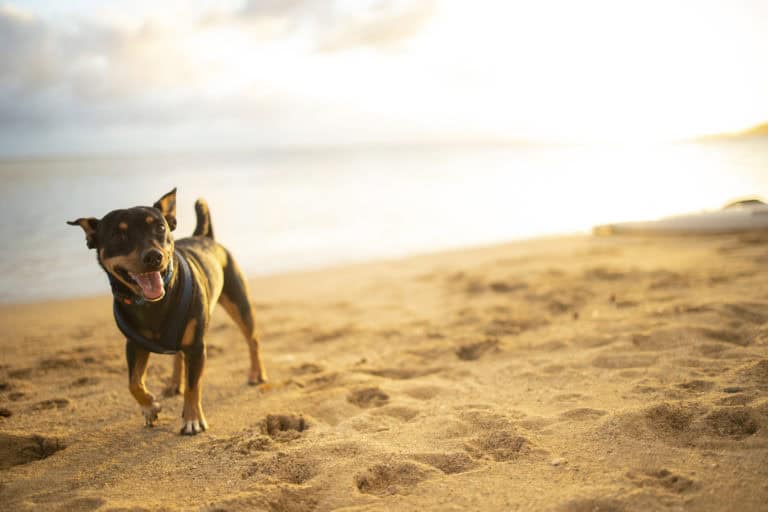
Seizure Clinic
Targeted care for dogs and cats Our seizure clinic supports dogs and cats with difficult-to-control epilepsy. We provide comprehensive case reviews and tailored long term management plans for each patient and their family. The clinic is appropriate for patients with refractory seizures, breakthrough events, medication intolerance, complex treatment regimens, or requiring specialist epilepsy consultation. The seizure clinic is led by Dr Sam Khan and provides comprehensive review with tailored management, medication, and monitoring recommendations. Clinic times The seizure clinic is available Thursday afternoons by appointment, phone and video consults are available. Getting a referral To access the seizure clinic, speak with your local vet, who can refer you to VSA. For more information, visit the neurology services page or contact the team on 09 320 5645. Read more news Click Here Read more cases Click Here Our services Find out more
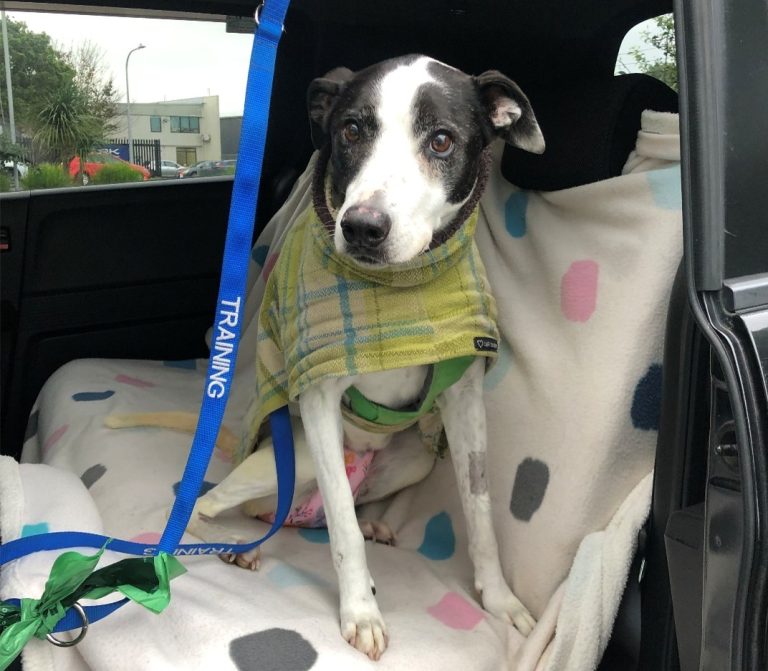
From spinal cyst to surgery: How Lottie found her way
When Lottie arrived at VSA’s Sylvia Park clinic for spinal surgery, nobody could have predicted that the hardest part of the day would be convincing her to go home again. Lottie, a dog with a rare spinal cyst causing progressive loss of function, had been referred to VSA specialist surgeon Dr Richard Jerram after her owner Alice Gasnier noticed something wasn’t right. Alice, a veterinary nurse at Companion Vets in Hamilton, knew enough about neurology to understand the road ahead wouldn’t be simple. “Lottie is a bit of an unusual case,” Alice said. “Richard noted she was a classic nurse’s dog, with a very unusual condition.” Cystic conditions of the tail end of the spinal cord are very uncommon in dogs but the more frequent use of advanced imaging studies with CT or MRI has improved our ability to diagnose this and to provide more focused treatment options” said Dr Jerram. The journey began with a consultation at the regional clinic service offered in Hamilton, a service that Alice said made an immediate difference for a dog who doesn’t travel well. “Lottie is not a big fan of travelling, so having the ability to get Richard’s expert opinion without the big car trip was a big plus,” she said. Dr Jerram walked Alice through the diagnosis and gave her an honest picture of what surgery could and couldn’t achieve. “Any spinal surgery is a big deal for both the dog and the owner. There are some considerable risks associated with the delicate nature of nerves and spinal cord tissue. These procedures require specialised surgical instrumentation, advanced lighting and intra-operative magnification. While these challenges and risks are present, VSA has a strong reputation and high success rate with these patients. Alice was able to much a thoroughly informed decision on whether she wanted to proceed with the surgery,” explained Dr Jerram. When the decision was made to go ahead, Alice and Lottie made the trip north to Sylvia Park. Alice said the clinic’s calm environment helped ease what could have been a stressful day, and that the team made both of them feel welcome from the moment they arrived. Updates came through that evening once Lottie was in recovery, and nurse Akiko called daily in the days that followed. “I looked forward to my daily updates on how Lottie was getting on,” Alice said. “I know she had been well cared for.” The proof came at discharge. When Lottie was brought into the room to go home, she turned around and walked straight back to the nurses! A few weeks later, she was back to see surgeon Dr Jerram for her six-week post-operative check. Richard was very pleased to see the impressive degree of progress in Lottie. Her neurologic function had improved dramatically and she was a very happy dog wagging her tail far better than before the procedure. From here, recovery is a team effort. Lottie is now working through an ongoing rehabilitation program with the VSA physiotherapy team, who have tailored a plan to rebuild her strength, balance, and confidence. For Alice, the experience was shaped as much by the communication as the clinical care, with updates shared between VSA and Lottie’s referring clinic throughout. “We are grateful to have access to such a skillful, caring team,” she said. “To be able to give our own pets — and our clients’ pets — the best possible outcomes.” About our regional service If you would like more information on this service, or to enquire on Dr Jerram’s visit schedule in your region, please get in touch with our team on info@vsnz.co.nz or call on 09 320 5645. Read more news Click Here Read more cases Click Here Our services Find out more
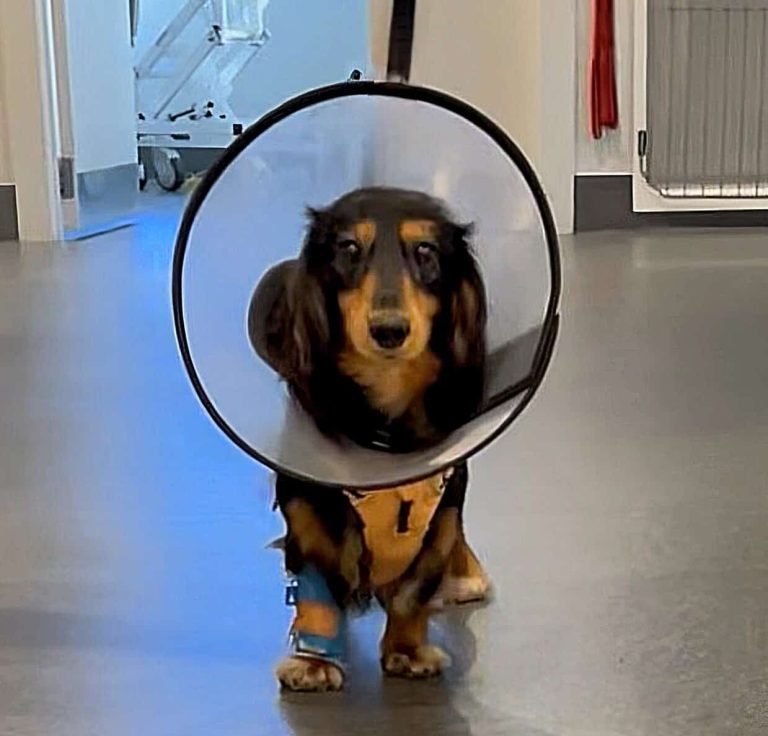
Scout’s Heart Journey
At just one year old, Scout, a bright-eyed Miniature Dachshund with a soft spot for chicken, was facing a condition that, left untreated, would have cut his life dramatically short. After a minimally invasive procedure with our cardiology team, he’s back home, running, snuggling, and looking for snacks like nothing ever happened. A heart problem from day one Scout was diagnosed with a patent ductus arteriosus, or PDA which is a congenital defect where a small blood vessel that should naturally close shortly after birth stays open. The result is abnormal blood flow between the heart’s two main arteries, putting extra strain on the heart muscle and, over the first couple of years of life, leading to heart failure. In Scout’s case, the strain was already taking its toll. Echocardiography showed marked enlargement of his left atrium and ventricle, early signs that his heart was working much harder than it should. Without intervention, his prognosis was poor. A precise, minimally invasive fix Under the care of cardiologist Dr Keaton Morgan, Scout underwent transcatheter PDA occlusion, a procedure performed through a small access point in his femoral artery, with no open-chest surgery required. A specialised device called an Amplatz Canine Duct Occluder (ACDO) was guided into position using live fluoroscopic imaging and placed inside the abnormal vessel to seal it shut. The result was the best one possible: complete closure of the PDA with no residual blood flow, confirmed on follow-up echocardiography. Scout’s heart beginning to return to a more normal size was already apparent with early signs of reverse remodelling. The minimally invasive method for placing an ACDO device is the most rewarding cardiac surgery I perform. The small incision in the leg is barely noticed by the patient and the rapid, complete occlusion (blocking) once the device is placed is satisfying for everyone; dog and doctor alike! Scouts rapid recovery was great to see and is the expectation for this procedure. Dr Morgan https://www.vsahospital.co.nz/wp-content/uploads/2026/06/PDA_5.mp4 Home with a healthier heart Scout recovered beautifully, with plenty of cuddles (and chicken) from the nursing team along the way. He’s now back home with an owner who, not long ago, was bracing for very different news. A case like Scout’s depends on tight teamwork, cardiology, imaging, anaesthesia, and nursing all playing their part. It’s also a reminder of what advanced interventional cardiology can do: turning a condition that would once have been life-limiting into the beginning of a long, happy dog life. We were recommended to take Scout up to Massey Vet Services, where they did all the checks and then gave us the options. To invest the time and money for Scout’s benefit was a no‑brainer for us, as he is such an important part of our family. From the initial phone conversation with the specialist at VSA, to meeting the team and seeing how welcoming they were, and then the care they showed for Scout, plus the follow‑up post‑operation call to put me at ease, to picking him back up when he was discharged… I could just see the love he was surrounded by, from people who genuinely cared for him. When I picked him up, he was like a new dog, with blood flowing freely again. He is a well‑loved member of our family. A massive thanks to the whole VSA team. – Marty, Scout’s owner Getting a referral To access our cardiology service, speak to your local vet, who can refer you to VSA. For more information, visit the cardiology services page or contact the team on 09 320 5645. Read more news Click Here Read more cases Click Here Our services Find out more