
Hip Dysplasia in Dogs
Symptoms, Treatment, and Care for His Dysplasia
When animals are referred to VSA, they commonly will need to undergo surgery, diagnostic imaging (radiographs, ultrasound, CT, MRI) or have a medical medical procedure (endoscopy). To be able to perform these procedures safely, sedation or anaesthesia is generally required.
Our anaesthesia team is responsible for developing anaesthesia protocols tailored to the specific needs of your pet. Our team of dedicated and highly qualified veterinary nurses provide comfort, safety and the best care to our patients.
Each patient is evaluated individually, and an anaesthetic protocol is then developed. Our nursing team closely monitors your pet during every step of the procedure until recovery, ensuring they are safe and as pain free as possible.
Our hospitals are equipped with state-of-the-art anaesthetic machines and monitoring equipment. We can provide advanced care such as mechanical ventilation, invasive blood pressure monitoring and multimodal analgesia – analgesic infusions or local-regional anaesthesia techniques.
We treat every patient as if they were our own – we know that there is someone very special waiting for them to return home.

Symptoms, Treatment & Care
Hip dysplasia is a common yet serious condition that affects many dogs, particularly larger breeds. For pet owners in Auckland, it’s essential to understand what hip dysplasia is, how to spot the signs, and what treatment options are available.
At Veterinary Specialists Aotearoa (VSA), we offer advanced diagnostic tools and expert care to help manage this condition, ensuring your dog has the best possible quality of life
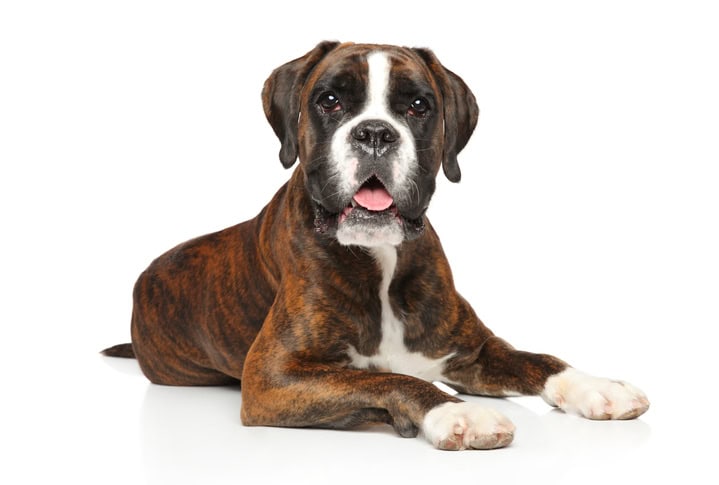
What is Hip Dysplasia?
Hip dysplasia is a genetic condition where the hip joint doesn’t develop properly, leading to loose or unstable joints. Over time, this misalignment causes the joint to deteriorate, resulting in pain, inflammation, and decreased mobility. While hip dysplasia is most often seen in larger breeds like German Shepherds, Labrador Retrievers, and Golden Retrievers, it can affect dogs of any size. Early detection and treatment are crucial to managing the condition effectively.
Causes of Hip Dysplasia
Hip dysplasia in dogs is primarily hereditary, but environmental factors can exacerbate the condition. Here are some common causes:
- Genetics: A dog with a family history of hip dysplasia is more likely to develop the condition.
- Rapid Growth: Puppies that grow quickly or gain excessive weight early on are at higher risk.
- Obesity: Carrying extra weight puts added strain on the joints, which can accelerate the deterioration of the hip.
- Physical Activity: While regular exercise is essential for a dog’s health, high-impact activities like jumping or running on hard surfaces can increase the risk of hip problems in predisposed dogs.
Symptoms of Hip Dysplasia
Hip dysplasia can be difficult to detect in its early stages, but as the condition progresses, the symptoms become more noticeable. Some common signs include:
- Limping or Lameness: Dogs with hip dysplasia may favor one leg or exhibit stiffness, especially after exercise.
- Decreased Activity: If your dog is reluctant to move or play, it could indicate joint pain.
- Difficulty Rising: Dogs with hip dysplasia may struggle to get up from a seated or lying position.
- “Bunny Hopping” Gait: Some dogs with hip issues may move both hind legs simultaneously, resembling a bunny’s hop.
- Muscle Loss: Over time, dogs with hip dysplasia may lose muscle mass in their hindquarters as they avoid putting weight on painful hips.
If you notice any of these signs, it’s essential to seek professional veterinary care. At VSA, we provide comprehensive evaluations to diagnose and monitor the condition.
Diagnosing Hip Dysplasia
To confirm a diagnosis of hip dysplasia, our specialists at VSA will conduct a thorough physical exam and may recommend imaging tests such as X-rays or advanced imaging techniques like CT or MRI. Early diagnosis is key, as it allows for a broader range of treatment options and can slow the progression of the disease.
Treatment Options for Hip Dysplasia
While there is no cure for hip dysplasia, there are several treatment options that can significantly improve your dog’s comfort and mobility. The treatment plan will depend on the severity of the condition, the age of your dog, and other individual factors.
Surgical Treatments
For dogs with severe hip dysplasia, surgery may be the most effective treatment option. At VSA, our experienced surgical team offers several advanced procedures tailored to your dog’s condition:
- Femoral Head Ostectomy (FHO): In this procedure, the head of the femur (the ball of the hip joint) is removed, allowing the body to form a false joint. This surgery can provide pain relief and restore mobility, particularly in smaller dogs.
- Triple Pelvic Osteotomy (TPO): TPO is a surgery performed on younger dogs with early signs of hip dysplasia. It involves adjusting the pelvis to improve the alignment of the hip joint, reducing the likelihood of arthritis developing later in life.
- Total Hip Replacement (THR): In cases of severe hip dysplasia, total hip replacement may be recommended. This involves replacing the damaged hip joint with an artificial implant, which can provide long-term relief and restore full function.
Our surgical team at VSA will guide you through the options, discussing the benefits and risks of each procedure to help you make the best decision for your dog’s health.
Living with a Dog with Hip Dysplasia
While hip dysplasia is a lifelong condition, many dogs can lead happy and active lives with the right care. Here are some tips to help your dog manage the condition:
- Maintain a Healthy Weight: Obesity can worsen hip dysplasia, so keeping your dog at an ideal weight is crucial.
- Moderate Exercise: Gentle walks and low-impact activities like swimming can help strengthen muscles without stressing the joints.
- Supportive Bedding: Providing an orthopedic bed or soft surfaces to lie on can reduce pressure on your dog’s joints.
- Regular Veterinary Visits: Regular check-ups with your veterinarian can help monitor the progression of hip dysplasia and adjust treatment plans as needed.
Why Choose VSA for Your Dog’s Hip Dysplasia Treatment?
At VSA, we understand how difficult it can be to see your dog in pain. Our team of experienced veterinary specialists in Auckland is here to provide the best possible care for your pet. From diagnosis to post-surgical rehabilitation, we offer a full range of services to help manage hip dysplasia and improve your dog’s quality of life.
With state-of-the-art facilities and a compassionate, expert team, you can trust VSA to provide the highest level of care for your dog.
Contact VSA Today
If your dog is showing signs of hip dysplasia or you are concerned about their joint health, don’t hesitate to reach out to VSA. Our experienced veterinarians are ready to help you navigate the best treatment options for your pet. Contact VSA today to schedule an appointment and give your dog the expert care they deserve.
Frequently Asked Questions (FAQs) About Hip Dysplasia in Dogs
Hip dysplasia is primarily a genetic condition, meaning dogs can inherit it from their parents. However, factors like rapid growth, obesity, and high-impact exercise can worsen the condition or increase the risk in predisposed breeds.
Common symptoms include limping, difficulty rising, reluctance to exercise, and a “bunny hopping” gait. Over time, affected dogs may also experience muscle loss in their hindquarters due to reduced mobility.
Veterinarians typically diagnose hip dysplasia through physical exams and imaging tests, such as X-rays, CT scans, or MRIs. These tools help assess the severity of joint misalignment and damage.
While you can’t entirely prevent hip dysplasia in dogs genetically predisposed to it, managing your dog’s weight, providing moderate exercise, and feeding a healthy diet can reduce the risk and slow progression.
Treatment depends on the severity of the condition. Non-surgical options include weight management, physical therapy, medications, and joint supplements. Severe cases may require surgical interventions like femoral head ostectomy (FHO), triple pelvic osteotomy (TPO), or total hip replacement (THR).
No, surgery is not always necessary. Mild to moderate cases of hip dysplasia can often be managed with lifestyle changes, medication, and physical therapy. Surgery is generally recommended for dogs experiencing severe pain or mobility issues.
No, surgery is not always necessary. Mild to moderate cases of hip dysplasia can often be managed with lifestyle changes, medication, and physical therapy. Surgery is generally recommended for dogs experiencing severe pain or mobility issues.
Maintaining a healthy weight, providing supportive bedding, engaging in low-impact exercises like swimming, and following your veterinarian’s treatment plan can help your dog manage hip dysplasia and improve their quality of life.
Larger breeds such as German Shepherds, Labrador Retrievers, Golden Retrievers, Rottweilers, and Saint Bernards are more prone to developing hip dysplasia, though it can occur in any breed, including smaller dogs.
The cost of hip dysplasia surgery varies depending on the type of procedure (e.g., FHO, TPO, or THR) and the individual needs of your dog. At VSA, we provide a detailed breakdown of costs and treatment options during consultation.
Yes, puppies from at-risk breeds can be screened for hip dysplasia. Early diagnosis through X-rays and genetic testing can help manage the condition before it progresses, especially if lifestyle changes or surgical interventions are needed early.