Pet Health Archives - Veterinary Specialists Aotearoa | Veterinary Specialist and Animal Referral Services in NZ with 3 specialist animal hospitals in Auckland and Christchurch

Pet Health

Hip Dysplasia: What is it and what can you do about it?

Hip scoring, dysplasia and osteoarthritis are terms that you may come across frequently when thinking about getting a new puppy, researching new breeds or simply wondering why your own dog is a little bit slower to get up or has an unusual hindlimb gait.  Hip dysplasia is the abnormal development of the coxofemoral (hip) joints. It is a condition seen mostly in larger dog breeds, most commonly German Shepherds, Golden Retrievers and Labradors. However, the condition can occur in any breed and infrequently occurs in cats too. Hip Dysplasia is not immediately evident at birth. This syndrome is developmental and progresses with age. There is a significant genetic component to hip dysplasia hence the importance of hip scoring and selective breeding. There are however other influences such as environmental influences. A good example of this would be over-feeding. Over-nutrition during a puppy’s first year of life, in which rapid growth of the bones and joints occurs, is thought to contribute to the development of dysplastic hips. The pathophysiology of hip dysplasia includes multiple variables and the disease can be unilateral or bilateral and range in severity. The coxofemoral joint can be thought of as the ball (the femoral head) and the socket (the acetabulum) joint (see figure 1).    Figure 1: This radiograph has been annotated to show the “ball” of the femoral head and the “socket” of the acetabulum. The primary abnormality in these dogs is poor congruency of the coxofemoral joint (figure 2), in other words the ball does not sit in place as it should. This can lead to instability and the abnormal exertion of forces on the cartilaginous linings of the joint.    Figure 2: This patient has severe incongruency and laxity of the coxofemoral joints.   The earliest changes noted include the erosion of the cartilage on the femoral head and acetabulum, joint effusion where fluid builds up in the joint and thickening of the ligament on the femoral head. These changes cannot be detected with X-rays, however, clinical signs might include a swaying hindlimb gait, reduced range of motion in the hip joints and reluctance to climb stairs. As the disease progresses, the body attempts to stabilise the lax joint by producing new bone around the femoral head, neck and acetabulum (figure 3).   The bone underlying the damaged cartilage hardens, a process known as sclerosis. As more new bone is deposited around the joint, the femoral neck becomes thickened and the head loses its rounded shape. These degenerative changes are collectively called ‘osteoarthritis” and are the cause of pain and reduces mobility. Unfortunately, there is no method of reversing osteoarthritic changes once they have developed. Treatment options include certain surgical procedures which either remove, alter, or replace the painful, dysplastic joint, or medical therapy to reduce pain and improve mobility. Due to the heritable component, ‘hip scoring’ of higher risk breeds prior to breeding is important. This involved potential breeding animals having a set of radiographs (X-rays – PennHIP) taken by a certified veterinarian or veterinary technician where the hips are forced into both compressed and distracted positions. The radiographs are sent to the USA to measure the degree of laxity of the hips and determine if there are already signs of osteoarthritis. A numerical value called the ‘distraction index’ is then assigned to each dog. Not only does the distraction index quantitively measure the laxity in each joint, it has been shown to correlate with the risk of developing osteoarthritis in the future. This makes in an excellent test for young dogs with PennHip being able to be performed as early as 16 weeks of age. Hip Dysplasia is a debilitating disease that can significantly limit an animal’s quality of life. Ethical and responsible breeding with testing of potential parents, appropriate early nutrition and limited high intensity activity during growth are all important factors in reducing the incidence of hip dysplasia.  If you are considering a new puppy, have questions about hip scoring or are worried about the hip health of your existing furry friend, consultation with your veterinarian is highly recommended. 

Hip Dysplasia: What is it and what can you do about it? Read More »
puppies are highly susceptible to parvovirus

Parvovirus Outbreak 2022

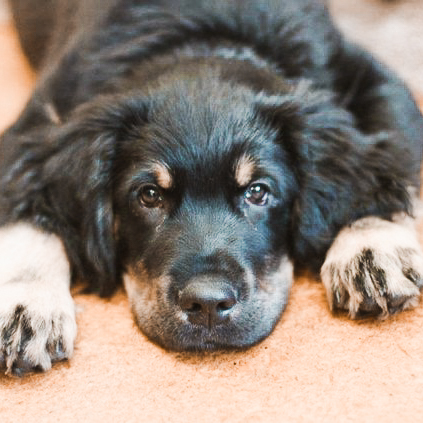
Parvovirus – what every dog owner should know We generally see an increase in cases of parvovirus over the summer months, but this year has seen an especially high number of cases. This is partly because of the weather conditions being so favourable for virus survival, but also likely due to lower than normal vaccination rates over the lockdown last year. If you are a dog or puppy owner, it is important to know about canine parvovirus, how to protect your puppy from getting it and what to do if you suspect your pet may have the virus. What is Parvovirus? Parvovirus is a highly contagious virus that causes vomiting, diarrhoea, abdominal pain and in many cases death.  It is transmitted through exposure to contaminated faeces on the ground, on bedding, blankets and bowls, between dogs or even just on the ground. Parvovirus is a very hardy virus that can survive for years in the environment. Indirect transmission can also occur if a person who has been with an infected dog strokes or pats your dog. Parvovirus (also called Parvo) is most commonly thought of as a gastrointestinal disease, attacking the stomach and intestines, but it has an affinity for rapidly growing tissue, which is one of the reasons why it is so much more dangerous for puppies. It can also affect other organs such as the heart and nervous system.  Who can catch Parvovirus? Any dog who has not been vaccinated can catch parvovirus but puppies between the ages of 6 weeks and 6 months old are at the highest risk.  The vaccine is very effective in preventing disease and so it should be prioritised. Talk to your local vet about booking this in as soon as possible. Until your puppy is fully vaccinated, they are susceptible and should not be socialising out and about in public. Dogs of all ages can become infected with parvovirus and in fact older dogs, with good immune systems can shed the virus but have no symptoms. So, for the protection of your own and other dogs, it’s important that dogs of all ages are vaccinated. Symptoms of Parvovirus Parvovirus can take hold and make a puppy very sick, very quickly  and so the sooner you get medical help the better. Symptoms of parvovirus include: vomiting and diarrhoea, especially with blood in it Loss of appetite Fever and lethargy Weakness Dehydration These symptoms are not specific and there are other illnesses that can cause them, but if your puppy has any of the symptoms above, call your vet.    OUR EMERGENCY TEAM ARE HERE 24 HOURS A DAY, EVERY DAY. IF YOU NEED EMERGENCY OR OUT OF HOURS VETERINARY HELP CALL US ON  09 320 5645 Treating Parvovirus If your dog is diagnosed as having parvovirus, the sooner he or she can get treatment the better. If it is not treated, parvovirus will nearly always progress to a very serious illness in puppies. Getting medical help as quickly as possible can make the difference between life and death. Not all of the dogs we see with Parvo need to be hospitalised. Many are treated with daily medications and fluids and with good nursing care from their owners can do really well, especially if treatment is started early in the course of the disease.  Without treatment the outlook is much bleaker especially if they have been sick for several days.  What to do if you think your dog has parvovirus? Call your vet (or animal emergency service if it is out of hours) and let them know your dog’s symptoms. They will advise you on the best options for diagnosis and treatment. When you arrive at the vets, it is very important that you stay in the car with your dog and call them to let them know you are there. This is both to prevent them spreading the virus if they have it, and to prevent them being potentially exposed to it if they haven’t been. How to prevent parvovirus Prevention is the best cure and the vaccination for parvovirus is very effective at preventing the disease.  If your dog or puppy is not fully vaccinated, contact your local vet today and get an appointment to get the course started. Share on facebook Facebook Share on twitter Twitter Share on linkedin LinkedIn

Parvovirus Outbreak 2022 Read More »

KARAKA BERRY - NZ NATIVE TREE FRUITS THAT ARE TOXIC TO DOGS

KARAKA BERRY TOXICITY FOR PETS

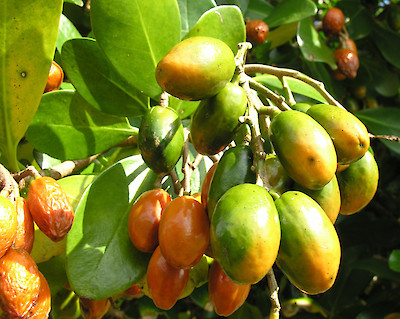
Did you know that Karaka Berries are highly toxic for dogs? The New Zealand native evergreen Karaka tree (Corynocarpus laevigatus) is a common sight in coastal regions, particularly in the North Island. Each year during the Summer to Autumn months it produces a fleshy orange berry which can be highly toxic to our canine companions. Karaka trees are more common than you may think and are found frequently in backyards and parks, hence being able to recognise them is essential for dog owners. The Karaka tree is a large tree than can grow up to 15 metres tall. They can be identified by their dark glossy leaves, and when in season, produce characteristic orange, olive shaped fruit.  The principal toxin, commonly called Karakin (a glucose ester of 3 nitropropionic acid) is found in highest concentrations in the fruit and enclosed seeds.  The pathophysiology of Karakin toxicity is complex; it causes oxidative stress, inhibits normal energy (ATP) production in the mitochondria of the cell and causes excessively high neurotransmitter levels resulting in neuron cell death.  Fruit remains toxic for several months, hence toxicity can occur even after the fruiting season has ended. Karakin acts as a potent neurotoxin when ingested and can cause convulsions, spasms, hindlimb paralysis, incoordination and death. Karaka toxicity affects not only dogs; cases have also been seen in livestock, the native Kiwi bird and has even been reported in Honey Bees feeding on the trees nectar. Its critical given the highly toxic nature of these fruits that all dog owners familiarise themselves with the leaves and fruit and are able to identify any dangers of these trees on their walks.  There are many tree identification resources available online, and a quick google for ‘Karaka trees’ will display a range of images that will help you to identify the potential dangers on your routes.  What to do if you think your dog has eaten Karaka Berries Ingestion of any number of Karaka berries should be treated immediately by your local vet or an emergency vet; decontamination (inducing vomiting) is the most effective way to avoid toxicity. Induction of vomiting should never be attempted at home; most of the commonly suggested home remedies can have dangerous side effects and complications such as aspiration. Should your dog present with clinical signs of Karaka toxicity, which can often be delayed up to 48 hours after ingestion, decontamination is no longer an option. Treatment of clinical disease is symptomatic as there is no specific antidote for Karakin. Supportive care will generally include intravenous fluids, anti-nausea medication and anticonvulsants in case of seizures. Despite aggressive therapy, some cases may still lead to death if damage to the central nervous system is severe. Affected dogs will typically remain in hospital for several days before discharge can be considered.  Awareness is our greatest preventative for this tragic toxicity. All dog owners should familiarise themselves with the Karaka’s appearance and be on the look out for fruiting trees during January to April.  Chronic scavengers should be watched closely on walks and be kept on a lead around identified trees. Training dogs to wear a basket muzzle, which prevents the dog from eating, during walks may be necessary for the repeat offender. Unfortunately despite the unpleasant experience of being made to vomit after eating something they shouldn’t, most dogs never learn! You can read more about the Karaka Tree and view images on the New Zealand Plant Conservation Network Karaka Page    OUR EMERGENCY TEAM ARE HERE 24 HOURS A DAY, EVERY DAY. IF YOU NEED EMERGENCY OR OUT OF HOURS VETERINARY HELP CALL US ON  09 320 5645 Share on facebook Facebook Share on twitter Twitter Share on linkedin LinkedIn

KARAKA BERRY TOXICITY FOR PETS Read More »

Dogs and Christmas dinner

CHRISTMAS DANGERS FOR DOGS

Christmas is a busy time of the year – full of celebrations, indulgence and family time.  Our pets are part of the family and also want to be part of the fun but it’s important to know of a few things to keep your dog away from at Christmas time.   IF YOU SUSPECT YOUR DOG HAS CONSUMED A TOXIC SUBSTANCE, CALL OUR EMERGENCY TEAM  ON  09 320 5645 – WE ARE OPEN 24 HOURS, EVERY DAY 1. Chocolate  Chocolate contains methylxanthines. Methylxanthines are theobromine and caffeine. The caffeine and theobromine cause similar effects, with theobromine’s effects lasting much longer than caffeine. Theobromine causes vomiting, diarrhoea, tremors, seizures and a racing heart rhythm which progresses to abnormal heart rhythms and heart failure. The toxicity level depends on four things which your vet is sure to ask you if you need to call them because your dog has eaten chocolate: The type of chocolate – the darker the chocolate, the more toxin it contains, therefore white chocolate and milk chocolate have lower levels of toxin compared to dark chocolate. Baking chocolate is the exception which contains surprisingly large quantities of this toxin and is the worst type of chocolate for pets.  The quantity of chocolate they have consumed – The more chocolate they have eaten, the more toxin they have consumed. If you are unsure of how much chocolate was consumed, estimate the largest quantity that they could have eaten based on how much chocolate is missing. The approximate weight of your pet  – The smaller the pet, the less capacity they have to tolerate the toxin and the more affected they will be. When did they consume it – If your dog has just eaten the chocolate, there is less chance that the dog’s stomach has had time to absorb the toxin and it may be possible to get the dog to vomit some of the chocolate toxin out in the your vet’s clinic. If your pet has indulged in some chocolate, it is always advisable to call your veterinarian, or an emergency vet immediately so they can calculate if your dog has consumed a toxic dose and requires immediate hospital care.    IF YOU SUSPECT YOUR DOG HAS CONSUMED A TOXIC SUBSTANCE, CALL OUR EMERGENCY TEAM  ON  09 320 5645 – WE ARE OPEN 24 HOURS, EVERY DAY 2. Grapes, raisins and currants  Everyone loves a bit of Christmas pudding or a sneaky mince pie but unfortunately for dogs, grapes, raisins (even seedless), currants and sultanas all contain a substance that is toxic to dogs. This substance can cause sudden kidney failure.  No one knows exactly what the toxin in these fruits is that makes then deadly to dogs. Symptoms of toxicity are vomiting, diarrhoea, thirst, lethargy, abdominal pain and decreased urine production, and sadly death. Kidney failure can occur within 72 hours without treatment. It is important to note that these fruits affect different dogs differently. In some dogs, they cause a deadly toxicity from eating a small quantity, whereas other dogs may eat a large amount and are unaffected. Dogs of any size or breed, male or female may be affected, therefore there is no way of predicting if your dog will be seriously affected or not. If your dog has consumed any of these fruits, it is best to call your vet to limit potential effects.   3. Onions, garlic, chives and leeks This is a lesser known toxin for dogs but these foods all contain a toxin called organosulfoxides which when eaten release reactive oxidants which are absorbed by the animal. These reactive oxidants cause oxidative hemolysis which means that the red blood cell membranes are damaged. This makes then fragile and causes them to burst. This lack of red blood cells causes symptoms that demonstrate that your dog’s body is struggling to get enough oxygen to its tissues. These symptoms include weakness, pale gums (anaemia) and tachycardia (fast heart rate). It can also cause signs of digestive upset such as vomiting, nausea, abdominal pain and diarrhoea. It is important to note that any form of these vegetable causes poisoning, so keep your dog away from all types, cooked, raw, dried, powdered, liquid or minced. 4. Alcohol  Please fo not let your dog get tipsy this Christmas. Dogs are much smaller than us, so the amount of alcohol they can tolerate before becoming dangerously inebriated is much lower than the quantity humans would find dangerous.  The toxin in alcohol is ethanol which is a central nervous system depressant. Specifically, it disrupts excitatory glutamate neurotransmission. Symptoms of alcohol toxicity in dogs include ataxia (incoordination), leathery, vomiting, weakness, depression, slow breathing, decreased body temperature, collapse and seizures. Just like with humans, excessive alcohol consumption in dogs can cause death. The key to all toxicities is to contact your veterinary or our emergency service if your regular vet is not open as soon as you realise the your dog has eaten something it shouldn’t have – this means even BEFORE symptoms have developed.  If the toxin has been eaten recently, your vet may be able to prevent your dog from absorbing all of the toxin. Additionally, if your pet received veterinary care early they may be able to support your dogs body and help it process the toxins without such a severe and possibly permanent effect on the body. Even if you suspect the quantity of food your dog ate was low, we are always happy to provide advice over the phone to help your decision about bringing your pet to the hospital. So, that only leaves us to say, Have a wonderful Christmas! Enjoy the choccies, mince pies and a little tipple, but keep them all away from your dogs!   OUR EMERGENCY TEAM ARE HERE 24 HOURS A DAY, EVERY DAY. IF YOU NEED EMERGENCY OR OUT OF HOURS VETERINARY HELP CALL US ON  09 320 5645 Share on facebook Facebook Share on twitter Twitter Share on linkedin LinkedIn

CHRISTMAS DANGERS FOR DOGS Read More »

a dog sits on a beach with blue sky and sunshine

KEEPING YOUR PETS HEALTHY AS THE SUMMER SUN WARMS UP

With the signs of summer heat well on the way, now is a good time to start thinking about some important health implications that frequently affect our furry friends  Limit Exercise on hot days Adjusting your routine to suit the cooler mornings and evenings or simply reducing the duration of exercise on a hot day can help prevent any adverse effects such as dehydration or heat stroke. During these periods of exercise it is important to have access to shade and water. Heatstroke Heatstroke results from exposure to excessive temperatures. Typical signs that we see with heatstroke include weakness, drowsiness, dribbling, heavy panting and vomiting. Those animals that are predisposed to heatstroke include the very old, the very young, the overweight or the breeds with a short muzzle (Boxers, French Bulldogs, Pugs and others).  Heatstroke can go on to cause multi-organ damage including the brain, airways, muscles and liver, To prevent this from occurring, it is important to provide ample shade to protect them from the heat and sun, and plenty of fresh water.   What to do if you suspect heatstroke Call our emergency service to indicate you are on your way. Have your air conditioning on cool and have your windows down. Once in our care, our emergency team will take it from here. Hot Asphalt & Sand This one is easy to forget when you have jandals on your sandy feet. With an air temperature of 25°C the aspalt temperature has been recorded up to 52°C, a massive difference!  A simple way to test if the temperature is appropriate is by placing the back of your hand on the ground for 5 seconds. If it’s too hot for you, it will be too hot for bare paws.   Hot Cars With windows being rolled down and air flowing through the car in summer, we expect the cars temperature to be maintained at a comfortable level. The phrase ‘but I cracked the windows’ is no longer justified when in a parked vehicle and temperatures continue to rise to a level that can cause serious illness or worse. When it comes to pets and cars, this is a situation where love ’em and leave ’em is a good thing. Leave your pets home when you can and never leave them in the car.   If you have any summer health concerns regarding your pets, we recommend your first port of call is your local family vet clinic. If you have an out of hours emergency and need urgent care, contact our emergency team. Share on facebook Facebook Share on twitter Twitter Share on linkedin LinkedIn

KEEPING YOUR PETS HEALTHY AS THE SUMMER SUN WARMS UP Read More »

Scroll to Top